culture
Wichita Transforms Old Town and Riverfront Into Thriving Cultural Hub
From the historic Old Town district to the repurposed industrial spaces along the Arkansas River, a grassroots surge is redefining the city's after-dark identity.
How we reported this
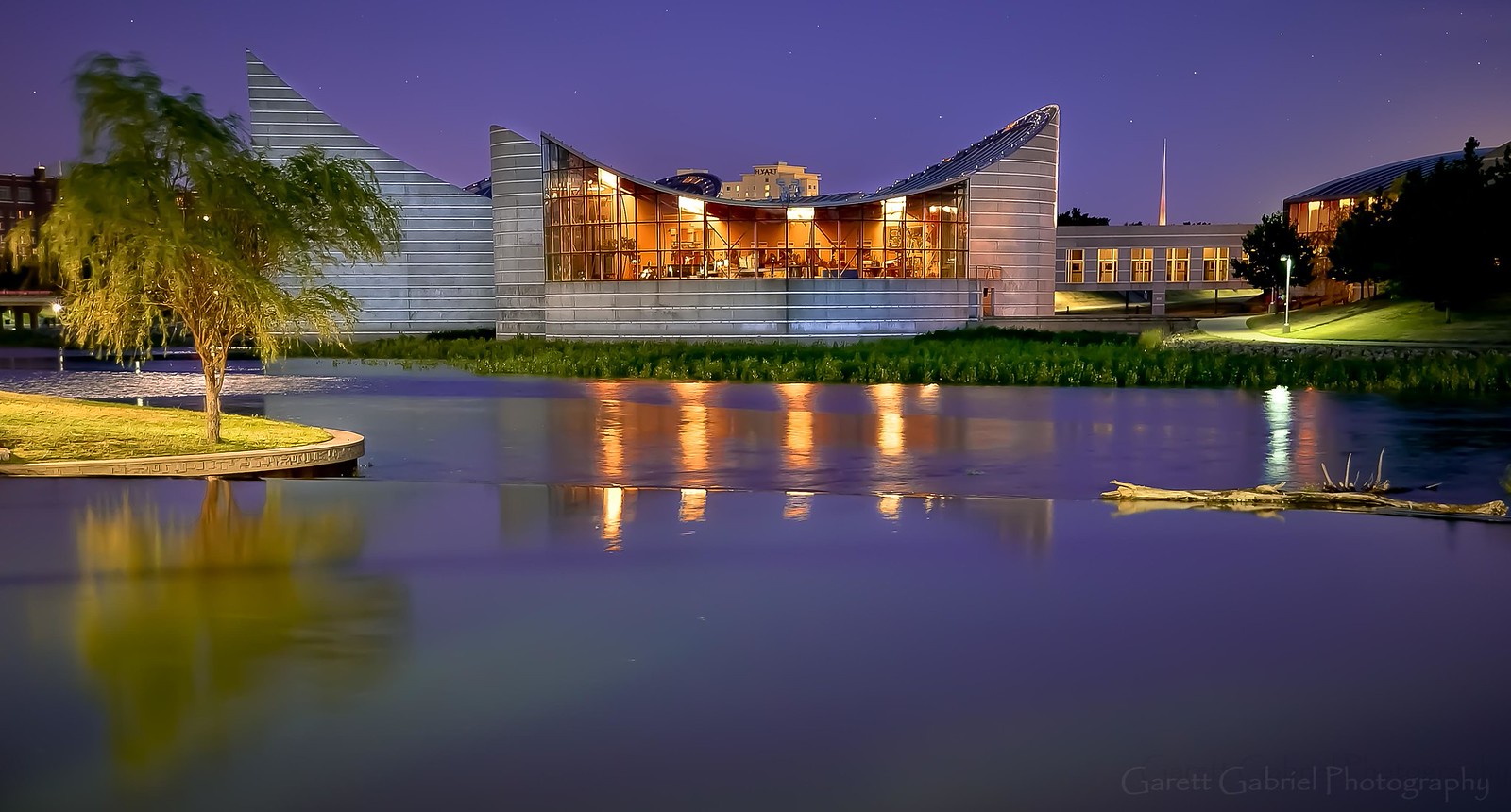
Wichita’s nightlife is undergoing a fundamental transformation as local musicians and independent promoters move to reclaim the city’s creative narrative. Where previous years saw a reliance on established commercial circuits, the current movement prioritizes community-led venues and DIY performance spaces that emphasize local talent over touring acts. This shift has moved the city's cultural center of gravity away from traditional entertainment zones and into the repurposed warehouses and small-capacity clubs that define the modern aesthetic of the Douglas Avenue corridor.
A Decentralized Creative Engine
The push for a more authentic nocturnal culture is visible in the revitalization of the Old Town district, where smaller venues are hosting frequent showcases that emphasize experimental sounds and regional collaborations. Organisations such as the Wichita Arts Council have observed an increase in applications for temporary permits to host live performances in non-traditional spaces, suggesting a move toward a more mobile and inclusive scene. In the shadow of the historic landmarks near the Arkansas River, businesses are responding to this trend by dedicating floor space to emerging artists rather than relying solely on background audio systems.
The momentum behind this shift is sustained by a network of independent organizers who manage booking and promotion via decentralized digital platforms. Venues like The Wave and Mort's Martini and Cigar Bar have become anchor points for this demographic, providing the infrastructure needed for this influx of activity to remain consistent. This movement is not merely a preference for one genre of music over another, but a structural change in how Wichitans consume live art, favoring intimate settings where the distance between the stage and the audience is minimized.
Economic Impact and Future Projections
The impact of this cultural acceleration is reflected in the city's broader economic indicators. Data from the Wichita Chamber of Commerce indicates that the local hospitality sector has seen a shift in revenue patterns, with weekend foot traffic in central districts increasing compared to the same period in 2025. While the cost of entry remains accessible, with many independent shows operating on a tiered ticketing system starting at nominal prices, the volume of performances has reached levels not recorded in the last three years. This density of events suggests that the local demand for live nightlife is currently outpacing supply, creating a competitive environment for space and time.
For those looking to engage with the movement, the next phase of this cultural expansion will likely center on the integration of public and private transit solutions to help bridge the distance between the Douglas Avenue strip and the outlying creative enclaves. Attendees are advised to monitor official social media channels for the emerging list of pop-up venues, as many of the most significant shifts are occurring outside of traditional venue scheduling. The current trend suggests a long-term recalibration of Wichita’s night-time economy toward a model that prioritizes community presence and local accessibility.