lifestyle
Wichita's Old Town Reinvents Itself for Modern Entertainment Seekers
As foot traffic trends shift toward mixed-use density, Wichita’s original entertainment district is reinventing its architectural past for a new generation of visitors.
How we reported this
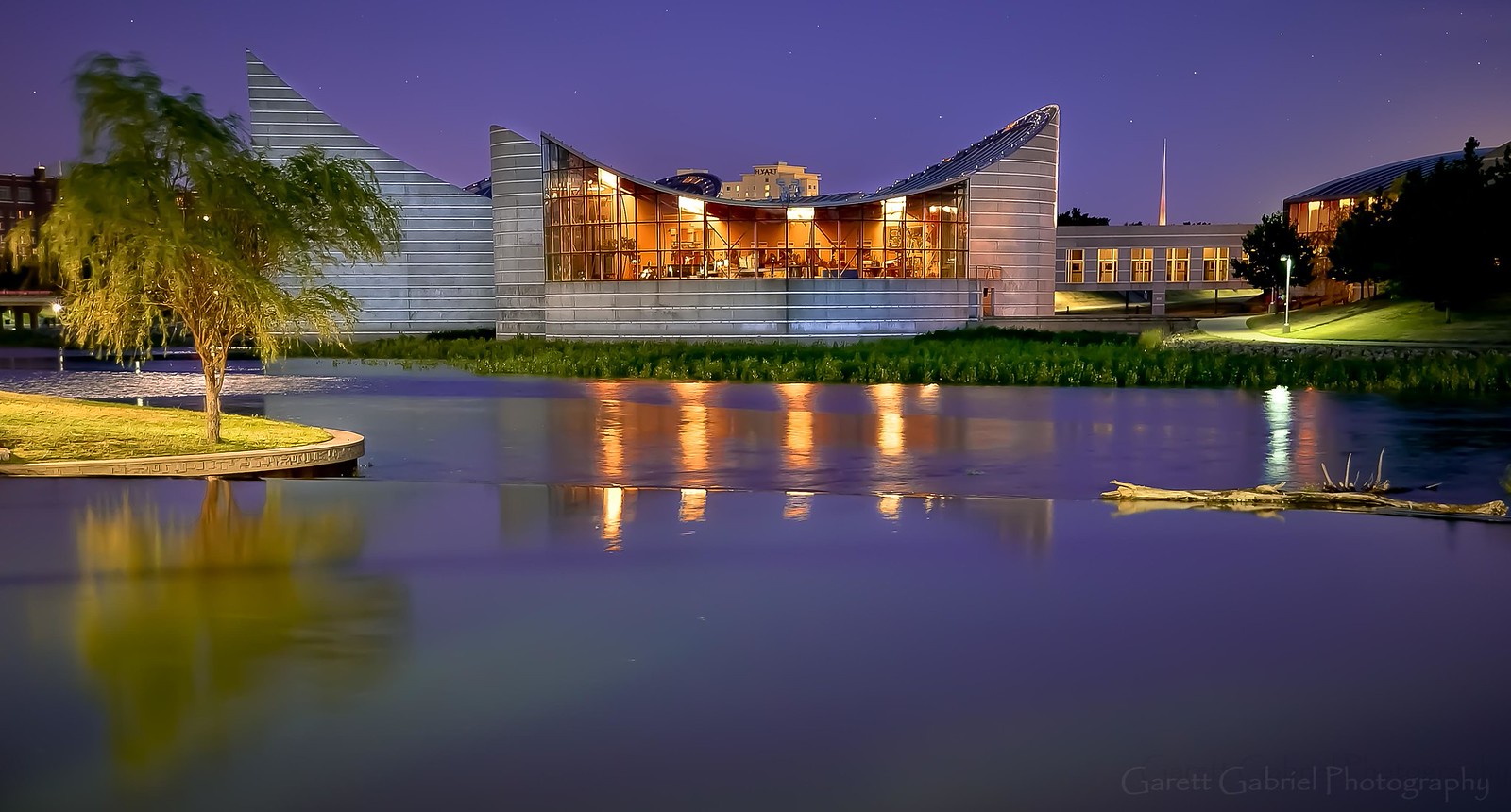
Wichita’s Old Town district is currently undergoing a significant pivot, moving away from its long-standing reputation as a purely nightlife-driven corridor toward a more diversified daytime economy. While the red-brick warehouses along N. Mosley St. once defined the area solely by late-night hospitality, recent development patterns indicate a push toward residential integration and daytime cultural programming.
The move toward mixed-use urbanism
The transformation is evident in how local stakeholders are repurposing legacy spaces. Organizations like the Old Town Association are shifting their focus to ensure that venues like the Museum of World Treasures and the historic Orpheum Theatre serve as anchors for foot traffic that spans from sunrise to well past midnight. This evolution is vital as downtown Wichita competes for residents who prioritize walkability and proximity to amenities over traditional suburban layouts, effectively blending industrial heritage with modern professional needs.
Investment in the area has prioritized the conversion of underutilized storage space into functional studio and retail environments. Walking south from E. 2nd St., it is clear that the character of the neighborhood is no longer defined just by the presence of bars, but by the influx of local coffee roasters and specialized boutiques that cater to a full-time residential population.
Adapting to a new economic rhythm
The shift is also reflected in the data provided by the Wichita Downtown Development Corporation, which tracks occupancy and growth metrics for the core urban area. According to their latest available reporting on urban revitalization, the density of downtown residential units has climbed steadily, providing a consistent base of support for businesses that operate outside of standard Friday-night hours. The focus remains on sustainable growth that respects the 19th-century aesthetics of the Union Station area while upgrading the utility of aging infrastructure to meet contemporary safety and accessibility standards.
For those visiting this weekend, the practical advice is to prioritize the morning and afternoon hours. The area’s character is most visible when observing the transition from quiet morning coffee culture near the Douglas Ave. corridor to the more kinetic energy of the late evening. Visitors looking to see the changes firsthand should walk the stretch of E. 1st St., where new storefronts now sit adjacent to long-standing local landmarks, illustrating a city that is actively balancing its preservation efforts with the pragmatic demands of a rapidly growing global workforce.